In our seminar rooms or comfortably from home!
We support you as a consultant, organizer, and implementation partner for IT-qualifications, IT-projects, and Data Centre training
News: EPI joins the TÜV NORD GROUP
This marks a significant milestone in EPI’s 38-year journey, strengthening its position to serve customers while continuing to operate independently under the EPI brand
Our bestseller workshops

 PDF
PDF


Seminartermine nach Kategorien
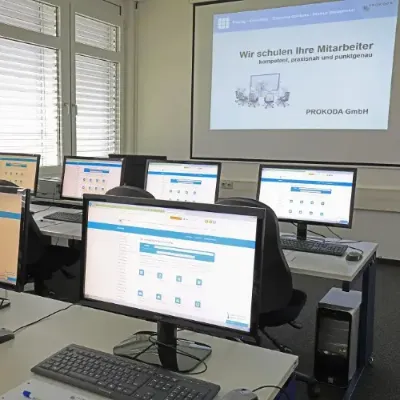
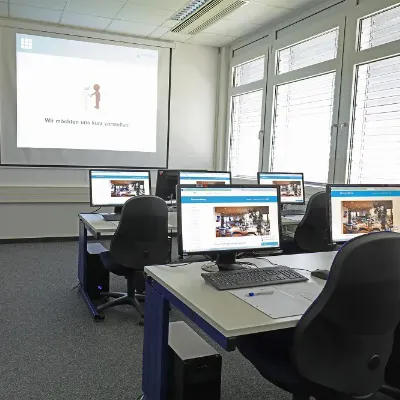
You can rent our seminar rooms!
Your booking with us is transparent and flexible, without hidden costs. Our seminar rooms in Cologne not only offer pleasant air conditioning, but are also equipped with high-quality technology such as PCs, flat screens and projectors.

Use Copilot to analyze, visualize, and make decisions more confidently
Harness the power of Microsoft Copilot in Excel 365 to understand your data faster, visualize it more clearly, and make better decisions without giving up control to AI.
This practical 1‑day workshop is designed for experienced Excel users who want to use Copilot consciously and purposefully.
You will learn how to formulate precise prompts, interpret AI-generated results correctly, and decide for yourself what should be automated — and what is better done manually.
“ I use PivotTables — but I want to understand what Copilot does with them.”
“ I don’t want to automate blindly — I want to stay in control.”
“ Can Copilot compare multiple tables — or do I still need to do that manually?”
If these questions resonate with you, this workshop is the right fit.
Your Benefits at a Glance
- One‑day training focused on practical analysis & decision‑making
- Understand how Copilot interprets, analyzes, and visualizes Excel data
- Critically evaluate AI-generated results and refine them
- Write prompts that produce accurate analyses and charts
- Combine manual analysis (Pivot, filters, formulas) with AI support
- Hybrid workshop: attend on-site or live online
Seminar Content
Starting Without Copilot
- Brief refresher on classic Excel analysis (PivotTables, filters, formulas)
- Understanding what Copilot does with your existing data
Copilot Introduction
- Requirements, interface & access in Excel 365
- Introduction to prompt logic and interaction
- Examples: precise vs. imprecise prompts
Tables & Structure
- Create and structure professional Excel tables
- Apply filters confidently
- Review Copilot suggestions for data cleaning & transformation
Functions & Logic
- Understand and apply IF, XLOOKUP and AVERAGE functions
- Let Copilot generate, explain, and correct formulas
Data Cleaning
- Manual error correction & format checking
- Evaluate Copilot’s automated cleaning suggestions
Visualization
- Create charts and Pivot analyses manually
- Use Copilot’s suggestions for visualization and analysis meaningfully
Prompt Practice
- Develop, test, and refine your own prompts
- Compare prompt variations and optimize your inputs
Target Audience
- Excel users with a solid foundation (e.g., PivotTables, IF, filters)
- Team leaders, analysts, and project managers who make data‑based decisions
- Anyone who wants to use Copilot as an assistant while maintaining full control over their analysis
Prerequisites
- Solid experience with Excel PivotTables, formulas, and filters
Work confidently, consciously, and efficiently with Copilot in Excel
“Copilot in Excel? Sounds great – but why does it generate such strange formulas?”
“I use Excel almost every day – but when it comes to PivotTables or XLOOKUP, I’m lost.”
“If I’m supposed to use Copilot, I need to understand what it’s doing – and what it isn’t.”
Welcome to the training that solves exactly that.
This hands-on seminar is designed for Excel users who want to work with Copilot confidently, intentionally, and effectively. You won’t just learn what Copilot can do – you’ll learn when to trust it, when to intervene, and how to guide it properly.
The key difference:
You start with typical Excel tasks – and watch how Copilot solves them. This gives you immediate insight into what parts of Copilot’s output you can reliably use… and what you should adjust.
You won’t use Copilot blindly – but purposefully, for real everyday Excel scenarios.
Your Benefits at a Glance
- Practical introduction with real-world Excel scenarios
- Conscious and responsible use of AI in everyday Office work
- Formulate prompts effectively and review results with confidence
- Gain security when using PivotTables, formulas, and Copilot suggestions
- Participate on-site or in hybrid format
Seminar Content – Understanding Excel, Using Copilot Intentionally
Tables & Structure
- Create intelligent tables
- Define totals and result rows
- Apply filters correctly
- Use Copilot to structure lists purposefully
Functions & Logic
- Understand IF, AVERAGE, XLOOKUP and related functions
- Use Copilot to generate, explain, and correct formulas
Cleaning & Analysis
- Detect empty cells and duplicates
- Check formatting and data consistency
- Analyse and evaluate Copilot suggestions
Visualization
- Create charts and PivotTables
- Present results visually and clearly
- Use Copilot to suggest and refine visualizations automatically
Prompt Refinement
- Develop, test, and rework prompts
- “Train” Copilot to deliver more precise and reliable results
Prerequisites
- Microsoft 365 E3 or E5 with an activated Copilot license
- Latest version of Excel Desktop & Microsoft Teams
- Solid Excel basics (tables, formulas, filters)
- Laptop with internet access & headset
Target Audience
This course is ideal for:
- Team leaders, project managers, and administrative staff
- Users who work regularly with Excel but are not power users
- Anyone who wants to use Copilot intentionally to speed up routine tasks and better understand results
Optimize your controlling work with the latest features of Microsoft Excel
In this hands-on seminar, you will learn how to analyze data efficiently, evaluate it professionally, and visualize it clearly. You will discover how to use PivotTables, Power Query, and automated workflows with macros to solve complex controlling tasks faster, more accurately, and with greater transparency.
You will explore how the right Excel tools help you save time and elevate your reports — from variance analysis and dynamic tables to meaningful dashboards and charts. Practical exercises allow you to apply what you learn immediately, supported by valuable tips and tricks for professional use in your daily work.
Our experienced trainers will show you:
- how to structure and process large data sets efficiently
- how to use Power Query for reliable data imports and transformations
- how to create professional reports using PivotTables and charts
- how to apply essential controlling formulas correctly
- how to automate recurring tasks using macros
Your Benefits at a Glance
- Practice-oriented learning with real controlling examples
- More efficient workflows through automation and modern data analysis
- Create professional reports & dashboards in minimal time
- Flexible: participate on-site or live online
Seminar Content
Dynamic Tables & Data Processing
- Efficient handling, calculation, and organization of large data sets
- Using modern Excel functions in Microsoft 365
Data Analysis, Evaluation & Reporting
- Building meaningful variance (actual vs. target) analyses
- Importing data from multiple sources with Power Query
- Avoiding and correcting data import errors
- Using date, time, and text functions effectively
Formulas & Functions for Controlling
- Filtering techniques for large data volumes
- VLOOKUP, XLOOKUP, IF, AND, OR and other conditional functions
- SUMIFS, AVERAGEIFS, VSTACK, HSTACK and more
PivotTables & Visualization
- Creating, formatting, and calculating with PivotTables
- Conditional formatting, slicers & timelines
- Visualizing KPIs with charts and dashboard elements
Macros & Automation
- Recording, editing, and applying macros
- Practical automation examples from controlling processes
Prerequisites
- Good working knowledge of Microsoft Excel
- Familiarity with formulas, cell references, and tables
- Knowledge of PivotTables or Power Query is helpful but not required
Target Audience
This seminar is designed for:
- Controllers
- Financial analysts
- Accountants
- Project managers
- Professionals who regularly work with data analysis, reporting, and KPIs
Ideal for anyone who wants to expand their Excel skills specifically for controlling and make efficient use of the newest features in Microsoft 365.
Understand the new requirements of the EU AI Regulation and use AI in a legally compliant way
The EU AI Act is the world’s first comprehensive regulation on artificial intelligence and introduces new legal, organizational, and ethical obligations for companies. Employees who work with AI or make decisions influenced by AI must understand what rules apply, what responsibilities they hold, and how AI systems must be operated in a compliant and responsible manner.
In this seminar, you will receive a clear, structured, and practical overview of the regulation. You will learn how AI risks are classified, what obligations apply to high‑risk AI systems, how transparency requirements must be implemented, and what organizational processes companies need to establish.
Our experienced trainers will explain:
- what the EU AI Act means for your role in the company
- how risk categories work and which obligations arise from them
- how high‑risk AI must be documented, assessed, and monitored
- how ethical, legal, and organizational requirements can be implemented in practice
Your Benefits at a Glance
- Easy‑to‑understand introduction to the EU AI Act for employees across all departments
- Practical examples for risk levels, high‑risk AI, transparency, and compliance
- Concrete implementation tips for processes, teams, and documentation
- Hands‑on exercises for evaluating AI systems in your company context
- Relevant content for governance, IT, HR, development, compliance, and management
- PROKODA participation certificate included
Seminar Content
Introduction to the EU AI Act
- Purpose, structure, and scope of the regulation
- Risk classification: prohibited AI, high‑risk AI, limited‑risk and minimal‑risk systems
- Obligations for providers, deployers, and other actors
- Timeline and implementation deadlines
High‑Risk AI and Organisational Obligations
- What qualifies as high‑risk AI?
- CE marking, conformity assessment, and technical documentation
- Training requirements according to Article 29
- Requirements for monitoring, reporting, and quality management
Transparency, User Information & Explainability
- Transparency obligations for AI systems
- Requirements for labelling, disclosures, and user information
- Practical examples: chatbots, text generators, decision‑support systems
Ethics, Fairness & Bias
- Identifying and preventing discrimination risks
- Human oversight as a mandatory safeguard
- Internal guidelines and ethical principles for AI usage
Application in the Corporate Context
- Requirements for processes, teams, and tools
- Creating and implementing a company‑wide AI policy
- Exercises: evaluating AI systems in your own work environment
- Roles, responsibilities, and governance models
Target Audience
This seminar is designed for:
- Professionals and managers
- Developers and project leads
- HR professionals, IT administrators, compliance officers
- All employees who use AI or are responsible for AI‑related processes
- Anyone who wants to prepare early for the requirements of the EU AI Act
Prerequisites
- No prior knowledge required
Notes
PROKODA provides a certificate of participation as proof of training.
A formally accredited certificate from an official certification body cannot be issued.
Communicate effectively, resolve conflicts, and strengthen collaboration
In IT projects, success depends not only on technical and professional expertise but also on strong social and communication skills. This practical seminar demonstrates how targeted communication helps build trust within the team and with stakeholders, prevent conflicts, and convey complex information clearly and effectively.
You will learn recognized communication models and methods tailored specifically to IT environments, enabling you to apply communication skills purposefully in your daily project work and sustainably improve collaboration.
Our experienced trainers will show you:
- how to apply social and communication skills effectively in IT projects
- how to use communication styles tailored to different personality types
- how to actively enhance collaboration within your team
- how to recognize and manage conflicts constructively
- how to communicate complex content clearly and in an audience‑appropriate way
Your Benefits at a Glance
- Practice‑oriented seminar with direct relevance to IT project work
- Focus on communication, trust building, and conflict resolution
- Clear explanation of established communication models
- Strengthening personal impact and confidence in daily project interactions
- Long‑term benefits for teamwork and stakeholder communication
Training Objective
After completing the seminar, you will be able to:
- apply social and communication skills (soft skills) purposefully
- use communication techniques tailored to the IT project environment
- actively improve teamwork and team collaboration
- handle conflicts effectively and constructively
- communicate complex information clearly and understandably
Seminar Content
Presence and Communication in IT Projects
- Understanding and applying the Trust Pyramid
- Ensuring a successful project start
- Recognizing expectations and shared rules
The Four Sides of a Message
- Understanding the four layers of communication
- Identifying the dominant message side of your conversation partner
- Avoiding misunderstandings in conversations
The 4MAT Method
- Identifying communication types
- Leading conversations successfully across different communication styles
Project Environment Analysis
- Identifying relevant stakeholders in the project environment
- Explaining the four‑quadrant stakeholder matrix
- Defining communication strategies with stakeholders
Project Marketing
- Personal or team branding
- Describing products or services using an elevator pitch
- Presenting the project as a product using the Business Model Canvas
Questioning Techniques
- Steering conversations through targeted questions
- Using different types of questions appropriately
- Avoiding misunderstandings through follow‑up questions
Conflicts & Conflict Resolution
- Recognizing and addressing conflicts early
- Applying de‑escalation strategies
- Using constructive feedback rules
- Applying non‑violent communication (NVC)
Transactional Analysis
- Identifying the three ego states
- Recognizing roles within the Drama Triangle
Presentation Skills
- Using voice, gestures, and facial expressions effectively
- Speaking confidently in front of groups
- Designing presentations using various media
- Assessing and improving personal impact on an audience
Target Audience
This seminar is designed for:
- Testers and test managers
- Developers
- Project managers
- Product Owners
- Business stakeholders
- Anyone involved in IT projects
Prerequisites
- No special prior knowledge required
- Basic understanding of software development processes and IT project work is helpful
Data Centre training for many companies:
These customers already trust us
Maximize the security and efficiency of your data center with our certified Data Centre Training. Our practical training courses provide essential know-how on the design, operation and compliance of data centers. Through continuous training, you reduce downtime, minimize sources of error and meet international standards. Benefit from recognised certifications with the globally accredited training courses from PROKODA GmbH & EPI.